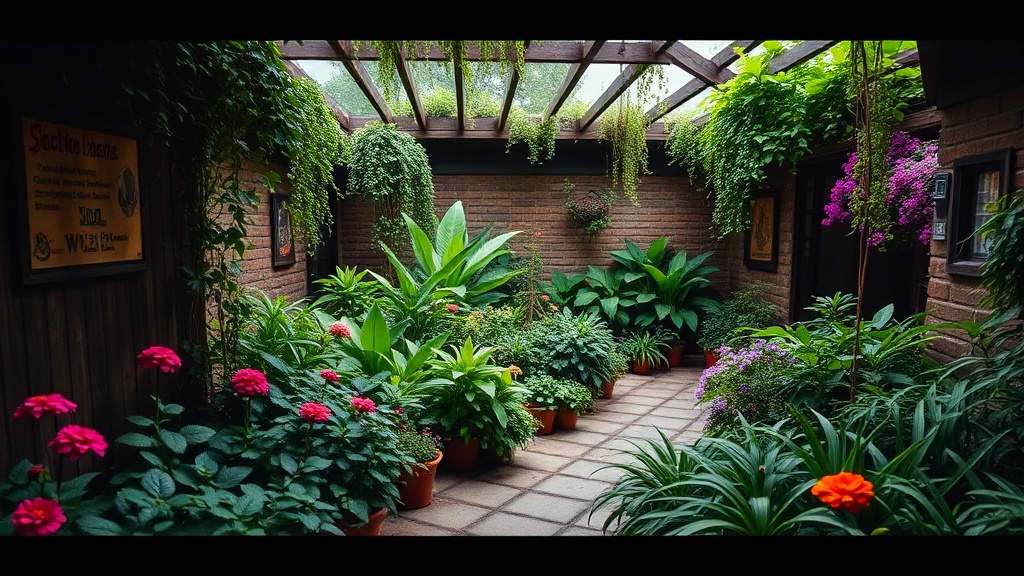
12 Hidden Urban Gardens That Will Transform Your City Experience

The Secret Garden of Lisbon's Alfama District
Singapore's Cloud Forest Dome at Gardens by the Bay
The High Line's Hidden Green Corners in New York City
Kyoto's Tofuku-ji Temple Zen Gardens
Paris's Promenade Plantée Elevated Greenway
Urban gardens represent one of travel's most rewarding discoveries—quiet green sanctuaries tucked between skyscrapers, offering respite from crowded streets and a genuine glimpse into how cities balance nature with concrete. This guide covers twelve exceptional hidden gardens across North America and Europe, each offering unique landscapes, historical significance, and that rare feeling of stumbling upon something special. Whether you're planning an itinerary or simply want to know where locals escape the urban grind, these spots deliver experiences that typical tourist routes miss entirely.
What Makes an Urban Garden Worth Seeking Out?
The best urban gardens combine three elements: accessibility (but not obviousness), distinctive design, and authentic local atmosphere. A rooftop herb garden beats a manicured park plaza every time. Community plots tell richer stories than botanical exhibitions.
Here's the thing about "hidden" spots—they're rarely truly secret. Locals know them. The magic lies in knowing which ones reward the effort of finding them.
The High Line, New York City
Once an abandoned improved railway, now a 1.45-mile greenway stretching through Chelsea and the Meatpacking District. The High Line demonstrates adaptive reuse at its finest—wild grasses, native perennials, and architectural remnants creating something entirely new.
Visit at dawn. The crowds arrive by 10 AM, but early mornings offer misty Hudson River views and the satisfying crunch of gravel underfoot without the selfie sticks. The section between 14th and 23rd streets features the most dramatic plantings, including Piet Oudolf's signature matrix-style perennial drifts.
The Friends of the High Line organization offers free guided tours on Tuesdays—worth booking two weeks ahead.
Where Can You Find Secret Gardens in London?
London hides over 700 private garden squares, but several exceptional public alternatives exist for travelers willing to venture beyond Kew and Hyde Park.
The Barbican Conservatory
Europe's second-largest conservatory sits atop a Brutalist arts complex. Tropical palms, cacti, and arid species thrive in this concrete greenhouse—a jarring, beautiful contrast. Entry is free, though limited hours (open Sundays and select afternoons) keep crowds manageable. The fish ponds add unexpected tranquility.
Postman's Park
Tiny. Peaceful. Haunting. This former churchyard memorializes ordinary people who died saving others, with ceramic plaques telling each story. The planting is simple—shady trees, ferns, ivy—but the atmosphere lingers. Bring a coffee from Ginger White on Aldersgate Street and stay awhile.
Gardens by the Bay vs. Local Singapore Spots: A Comparison
Most visitors flock to the famous Supertree Grove—and it's spectacular. But Singapore's neighborhood gardens reveal more about the city-state's "City in a Garden" philosophy.
| Garden | Location | Best For | Entry Fee |
|---|---|---|---|
| Gardens by the Bay | Marina Bay | Iconic architecture, evening light shows | Free (conservatories: S$28) |
| HortPark | Southern Ridges | Themed garden designs, fewer tourists | Free |
| MacRitchie Reservoir | Central Catchment | Wilderness trails, wildlife spotting | Free |
| Esplanade Park | Marina Promenade | Local joggers, sunset views | Free |
HortPark particularly rewards garden enthusiasts. The "gardening hub" concept brings together display plots, educational areas, and a butterfly garden that actually attracts butterflies (unlike many tourist-targeted equivalents).
Kyoto's Tiniest Temple Gardens
Kyoto's famous gardens—Kinkaku-ji, Ryoan-ji, the moss temple—deserve their reputations. But the sub-temples of Daitoku-ji offer intimate alternatives without the tour buses.
Daisen-in, a small subtemple within the complex, contains a Muromachi-period garden that predates many famous examples. The raked gravel "waterfall" composition influenced centuries of design. Photography is prohibited inside—forcing actual observation rather than documentation. That said, the memory stays sharper than any smartphone capture.
The Kyoto Tourism site maintains updated hours, as many subtemples close irregularly.
Vancouver's Unexpected Green Roofs
Canada's west coast city mandates green roofs on new developments—and some are publicly accessible.
The Vancouver Public Library Central Branch (designed by Moshe Safdie) features a 9th-floor garden accessible via elevator. Native grasses, seating, and views of the downtown skyline create an odd, wonderful juxtaposition: nature above the city, surrounded by books. Most visitors never discover it.
Similarly, the Oakridge Centre redevelopment includes publicly accessible rooftop gardens—though opening phases continue through 2025. Check current status before visiting.
Which Paris Garden Do Locals Actually Visit?
Parisians avoid Luxembourg Gardens on sunny weekends (too crowded, too tourist-heavy) and head to the Promenade Plantée instead.
This improved park predates New York's High Line by over a decade—opening in 1993 along a disused railway viaduct. Starting near Bastille, it stretches 4.7 kilometers through the 12th arrondissement. Art galleries and workshops occupy the arches below; chestnut trees, climbing roses, and wisteria grow above.
The western section offers the most concentrated beauty. Bring a baguette from Du Pain et des Idées (technically in the 10th, worth the detour) and walk east toward the Bois de Vincennes. You'll pass perhaps a dozen people.
Mexico City's Floating Gardens of Xochimilco
The chinampas—artificial islands created by the Aztecs—continue producing food and flowers on ancient lakebeds. While tourist trajineras (colorful boats) dominate the main canals, the ecological reserve offers something quieter.
Local cooperative Cuauhtli runs sustainable tours through lesser-used channels, visiting working chinampas where farmers grow amaranth, greens, and decorative flowers. The gardens here aren't ornamental—they're functional, ancient, and increasingly threatened by urban expansion and water extraction.
Worth noting: early morning visits mean mist on the water and fewer party boats. The gardens feel timeless then. By afternoon, the mariachi barges dominate the soundscape.
Chicago's Secret Prairie Patches
The Lurie Garden in Millennium Park gets deserved attention—Piet Oudolf's design, the "shoulder" hedge, the stunning seasonal transitions. But Lincoln Park's North Pond Nature Sanctuary offers wilder rewards.
This 14-acre restored prairie and wetland sits behind the Lincoln Park Zoo. Native grasses, wildflowers, and migratory birds create an ecosystem that feels excavated from pre-city history. The pond itself attracts herons, egrets, and the occasional surprised tourist who wandered north from the farm-in-the-zoo exhibit.
September brings goldenrod and asters. May offers warbler migration. Winter—bare branches and ice—has its own stark appeal.
Melbourne's Laneway Gardens
Melbourne's famous laneways hide more than coffee shops. Guerrilla gardeners and sanctioned projects have transformed alleys into vertical gardens and pocket parks.
Guildford Lane features suspended planters and climbing vines creating canopy effects. Driver Lane offers moss walls and subtle lighting. These aren't destinations so much as discoveries—moments of green interrupting the urban canyon.
The city council's Green Our City program actively supports these interventions, recognizing that Melbourne's climate (variable, sometimes brutal) benefits from micro-climate creation.
What Are the Best Urban Gardens for Photography?
Light matters more than layout. Morning golden hour transforms ordinary plantings into spectacular compositions. Overcast days—often dreaded by tourists—provide ideal, diffused lighting for garden photography.
For architectural integration: the High Line's northern terminus at Hudson Yards, Singapore's Gardens by the Bay conservatories, and Paris's Promenade Plantée offer strong geometric backdrops.
For natural abundance: Kyoto's subtemple gardens in June (hydrangea season) and Vancouver's VanDusen Botanical Garden in May provide saturated color palettes.
For atmosphere: Mexico City's dawn mists and Chicago's prairie patches during autumn transitions deliver mood that no filter can replicate.
Berlin's Hinterhöfe (Back Courtyards)
Berlin's 19th-century apartment buildings enclose shared courtyards—many now gardened by residents, others locked and private. The Hackesche Höfe offer the most accessible example: eight interconnected courtyards combining art nouveau architecture with planted spaces, cafes, and small shops.
Lesser-known alternatives exist in Prenzlauer Berg and Kreuzberg, though access requires either residency or fortunate timing when gates stand open. The gardens themselves vary wildly—some manicured, others gloriously unkempt, tomatoes competing with roses for sunlight.
The catch? You're technically trespassing in most cases. Locals generally tolerate respectful visitors, but photography of private spaces crosses a line.
Portland's Food Forests
Portland, Oregon maintains several public food forests—urban orchards where fruit trees, berry bushes, and edible perennials grow for community harvest.
The Beacon Food Forest (technically in Seattle's sibling city, but the concept applies) and similar Portland initiatives like the Burlingame Food Forest demonstrate urban agriculture beyond community gardens. These aren't pretty spaces with edible accents—they're functional landscapes designed for productivity.
Harvest etiquette varies by site. Some operate on "take what you'll use" principles; others designate specific picking days. The signage usually clarifies—read it. Nothing ruins the community garden spirit faster than visitors stripping unripe fruit.
"The best urban gardens don't announce themselves. They reward curiosity with quiet—rare currency in cities designed for speed."
Toronto's Ravine System
Toronto hides an extensive ravine network—over 300 kilometers of green corridors cutting through neighborhoods. The Evergreen Brick Works serves as an accessible entry point, converting a former quarry and industrial site into a demonstration garden, native plant nursery, and farmers market hub.
But the real discovery lies in the ravines themselves. The Beltline Trail follows a former railway through forested corridors. The Don Valley offers surprising wilderness minutes from downtown skyscrapers. These aren't gardens in the traditional sense—they're wild spaces maintained through careful ecological management.
Spring ephemeral flowers (trillium, trout lily) appear briefly in April and May. After that, the ravines settle into deep green shade. Worth visiting year-round, but April offers that particular magic of emergence.
Montreal's Alleyway Gardens
Montreal's ruelles vertes (green alleys) transform back laneways into vegetated corridors. Over 250 alleys now feature tree planting, permeable surfaces, and community gathering spaces.
The Ruelle des Bullaires in Rosemont–La Petite-Patrie exemplifies the concept—grape arbors, raised vegetable beds, and seating areas where garbage bins once dominated. Unlike Melbourne's vertical approaches, Montreal's alleys emphasize ground-level transformation and social function.
These spaces work because residents own them. Community organizing maintains the plantings; neighbors know each other through weeding sessions and harvest sharing. As a visitor, walking these alleys offers authentic glimpses into how Montrealers actually live—not the Old Montreal tourist circuit, but the residential city.
September's harvest season brings the most activity—and the best opportunities for casual conversation.