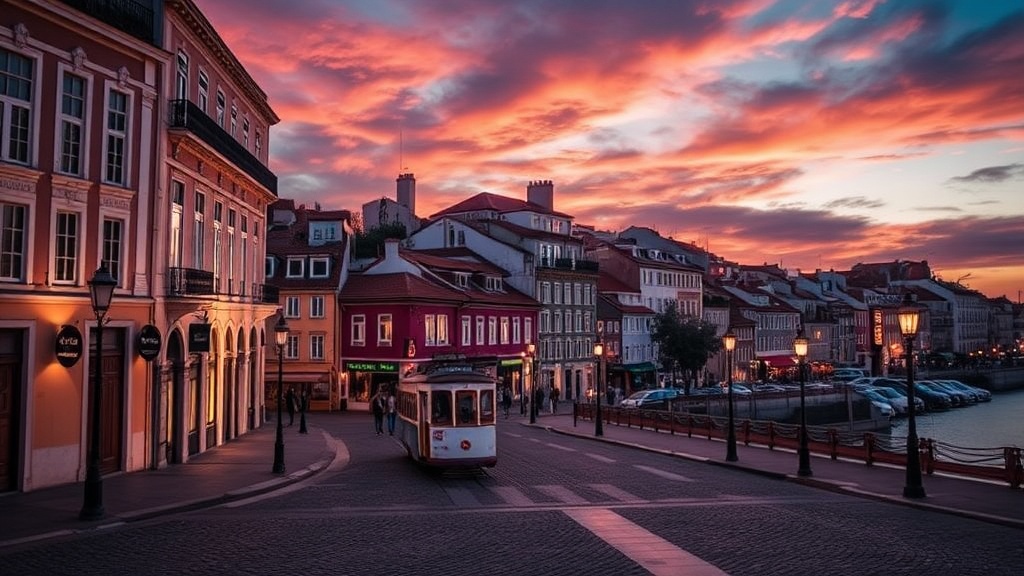
7 Hidden Gems in Lisbon Every Traveler Should Discover

Miradouro da Senhora do Monte – The Highest Viewpoint
LX Factory – Industrial Cool Meets Creative Culture
Casa do Alentejo – A Moorish Palace Hidden in Plain Sight
Pensão Amor – A Bohemian Burlesque Bar
Campo de Ourique Market – Where Locals Actually Eat
Lisbon doesn't reveal all its secrets at once. Beyond the pastel de nata queues at Belém and the tram 28 crowds, the city hides neighborhoods, viewpoints, and experiences that most visitors miss entirely. This guide uncovers seven under-the-radar spots where locals actually spend their time — places that deliver authentic Portuguese culture without the tourist markup or the selfie-stick armies.
What's the Most Overlooked Neighborhood in Lisbon?
Campo de Ourique is a village trapped inside a capital city. While everyone flocks to Alfama for the "real Lisbon" experience, this residential neighborhood west of the center offers something far more genuine — and you'll barely hear English spoken here.
The area centers around Mercado de Campo de Ourique, a 19th-century market hall that's undergone a stylish but not soul-destroying renovation. Unlike the Time Out Market (which locals avoid), this spot balances tourist-friendly options with actual butcher stalls, fishmongers, and produce vendors serving neighborhood regulars. Grab a glass of vinho verde at one of the counter bars and watch the afternoon shopping ritual unfold.
Street parking is manageable (a Lisbon miracle), and the architecture blends traditional Portuguese tiled facades with early 20th-century Art Nouveau touches. The Jardim da Parada — a pocket park locals treat like their backyard — fills with elderly men playing cards and young families on weekends. There's no monument, no viewpoint, no "attraction." That's precisely the point.
Where Can You Find Lisbon's Best Secret Viewpoints?
Miradouro da Senhora do Monte beats every famous viewpoint in the city — and most days, you'll share it with five people instead of five hundred.
Hidden in Graça (itself underrated compared to neighboring Alfama), this hilltop terrace delivers a 270-degree sweep: the castle dominates the foreground, the terracotta roofs cascade toward the river, and on clear days, you can trace the Sintra mountains on the horizon. The catch? The climb is steep — really steep — and there's no tram to cheat your way up. Worth noting: the small chapel behind the viewpoint hosts occasional sunset concerts that never make the tourist itineraries.
For a completely different perspective, head to the Miradouro de Santo Amaro in Alcântara. This former industrial zone — now home toLX Factory and its associated hipster infrastructure — hides a waterfront overlook that faces west instead of the traditional castle-and-river view. You're looking at the 25 de Abril Bridge (Lisbon's Golden Gate twin) with the sunset dropping behind it. The benches are cracked, the railing is rusted, and the occasional freight train rumbles past on tracks below. It's perfect.
Other Viewpoints Worth the Trek
- Miradouro do Monte Agudo — Arroios district, local park atmosphere,BYOB-friendly in evenings
- Jardim do Torel — Near Avenida da Liberdade, art nouveau gazebo, overlooked by shopping-focused visitors
- Penha de França viewpoint — Requires serious climbing, rewards with panoramic river views and zero crowds
Is There an Alternative to Lisbon's Crowded Tram 28?
Tram 25 follows a parallel route through equally charming neighborhoods — but the tourists haven't discovered it yet.
The 28 tram (technically "elétrico") has become a victim of its own Instagram fame. You'll wait 40 minutes, squeeze aboard with 60 other people, and spend the entire ride guarding your pockets while missing the views entirely. Tram 25 starts at Praça da Figueira like its famous cousin, but heads east through Estrela (stopping at the gorgeous basilica), Campo de Ourique, and into the Ajuda district near the palace.
Here's the thing — the 25 isn't marketed as "scenic." That means no queues, no pickpocket warnings blaring from guidebooks, and actual Lisbon residents using it for actual commuting. The route passes through Jardim da Estrela (grab coffee at the kiosk cafe), the working-class neighborhood of Santos, and terminates near the Palácio Nacional da Ajuda — a royal palace that sees a fraction of Sintra's tourist traffic but houses equally absurd 19th-century excess.
The wooden carriages date from the 1930s. The brakes scream on downhill sections. It's transportation as time machine.
| Tram | Crowd Level | Key Stops | Best For |
|---|---|---|---|
| 28 | Extreme (tourists) | Alfama, Graça, Estrela | Bucket-list ticking |
| 25 | Light (locals) | Estrela, Campo de Ourique, Ajuda | Authentic exploration |
| 15 | Moderate | Cais do Sodré, Belém | Coastal route to monuments |
What Local Food Experiences Beat the Tourist Restaurants?
A tasca — those hole-in-the-wall taverns serving daily specials on handwritten menus — delivers the best value and most authentic meals in Lisbon.
Tourist-zone restaurants near Rossio or in Bairro Alto charge €18 for bacalhau à brás that tastes like hotel buffet food. Walk ten minutes in any direction and you'll find tascas where locals pay €8 for charcoal-grilled fish, soup, bread, wine, and coffee included. The catch? Many don't have English menus, the décor hasn't changed since 1974, and you'll need to arrive early — these places run out of the good stuff by 1:30 PM.
Look for Zé da Mouraria in the old Moorish quarter (lamb stew, no reservations, expect to queue), Tasca do Chico in Bairro Alto (fado happens here spontaneously on Mondays and Wednesdays — not the €50 dinner-show version), or Cervejaria Ramiro (okay, this one's famous, but the seafood tower is actually worth the wait — just go at 11:30 AM when doors open).
For breakfast, skip the pastel de nata factories. Find a pastelaria with a Pão com Manteiga (bread with butter) sign and order a meia de leite (half coffee, half milk) with a papo-seco bread roll. Stand at the counter like everyone else. Pay less than €2. The elderly woman behind you in line has been eating this same breakfast since 1962.
Are There Museums in Lisbon That Tourists Miss?
The Museu Nacional de Arte Antiga sits in a 17th-century palace and contains one of Europe's most underrated collections — yet tour buses drive right past it.
Located on a leafy street between Santos and Alcântara (the 15 tram stops nearby), this museum houses the Portuguese royal art collection: Flemish primitives, Japanese screens from the Age of Discovery, and the famous Panels of Saint Vincent by Nuno Gonçalves — a 15th-century group portrait that basically invented Portuguese national identity. The building itself — Palácio Alvor-Pombal — features tile-lined courtyards and river views from upper floors.
Smaller but equally rewarding: the Museu do Azulejo in Madre de Deus convent. Yes, it's "the tile museum" — sounds dull, ends up fascinating. The collection traces Portuguese tile work from Moorish geometric patterns through Baroque narrative scenes and Art Nouveau whiplash curves. The church attached to the museum (Convento da Madre de Deus) explodes with gilded wood carving that makes the Versailles chapel look restrained.
Both museums cost under €6. Both have air conditioning (crucial in July). Neither requires advance booking.
Hidden Cultural Spaces
- Casa-Museu Medeiros e Almeida — A private mansion turned museum stuffed with Portuguese decorative arts. Five rooms of clocks alone.
- Museu da Marioneta — Puppet museum in a former convent basement. Weird. Wonderful.
- Casa Fernando Pessoa — The poet's last residence, reconstructed with his original furniture and obsessive marginalia.
Where Do Locals Actually Go for Nightlife?
Cais do Sodré has transformed from dangerous port district to the city's most reliable nightlife neighborhood — and unlike Bairro Alto (which empties by 2 AM), this area stays alive until sunrise.
The transformation started with Pensão Amor, a former brothel turned bar with circus-themed décor and burlesque shows in the back room. Now the surrounding streets — particularly Rua Nova do Carvalho, aka "Pink Street" for its painted pavement — host dozens of venues ranging from craft cocktail dens to sweaty African music clubs. Musicbox (literally built under a bridge) books Portuguese indie bands and international acts in a space that holds maybe 300 people. The sound bleeds onto the street.
For something completely different, the Intendente neighborhood — once genuinely sketchy, now emerging — offers gritty authenticity that hasn't yet been polished away. Café A Brasileira (not the famous one, a different one) serves €1 beers on a plaza where Senegalese vendors, Portuguese pensioners, and art students share space uneasily but peacefully.
Lisbon's actual club scene (if you're staying out past 3 AM) centers on Lux Fragil — the riverfront superclub co-owned by John Malkovich (yes, really). The door policy is strict, the crowd is mixed-gay-straight-who-cares, and the sunrise views from the rooftop terrace justify the €15-20 cover charge.
How Can You Experience Lisbon Like a Resident?
Rent a bike and follow the riverfront cycle path from Belém to Parque das Nações — a flat, 10-kilometer route that traces Portugal's maritime history from empire to Expo '98.
The path starts at the Belém tower (get the tourist photos out of your system early), winds past the marina, cuts through Santos (stop for lunch), continues through Cais do Sodré, then stretches into modern Lisbon — the Vasco da Gama bridge appears on the horizon like a sci-fi installation. Parque das Nações, built for the 1998 World Exposition, showcases contemporary Portuguese architecture: the Oceanário (one of Europe's best aquariums), the Vasco da Gama shopping center built to resemble a ship, and the Myriad Hotel — a sail-shaped glass tower where rooms start at €200 but the lobby bar welcomes anyone.
Locals use this path daily for commuting and weekend exercise. The city provides Gira bike-share stations every few blocks (download the app, €2 for 24 hours). You'll pass fisherman casting lines, teenagers on electric scooters, and elderly couples walking arm-in-arm. The river smells like salt and diesel. It's not postcard Lisbon — it's functional, working, real.
End at the Teleférico — a cable car that crosses the park's eastern edge. The views are fine. The ride itself is forgettable. But the €4 ticket buys perspective on a city that stretches far beyond the tourist maps, continuing east into industrial suburbs and north into hills that hide swimming pools and tennis courts and lives you'll never glimpse from tram 28.
Lisbon rewards curiosity. The gems aren't hidden — they're just located slightly outside the radius where most visitors venture. Walk ten minutes farther. Climb the hill that looks too steep. Order from the menu you can't read. The city opens accordingly.