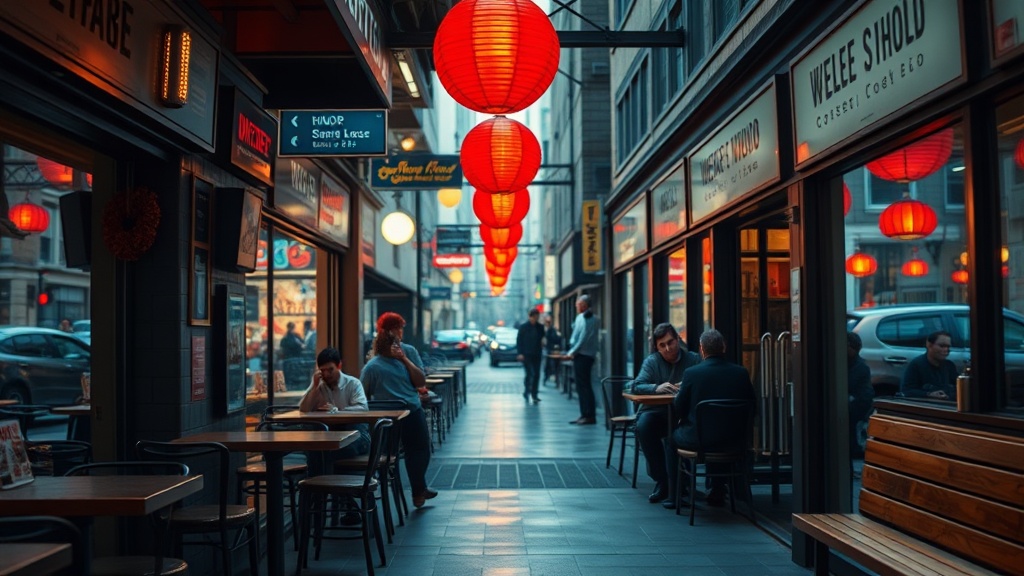
Beyond the Coffee Shop: Finding Quiet Work Spaces in High-Density Cities
The search for a quiet corner in a bustling metropolis often feels like a race against the clock.
Picture this: you've arrived in a city like New York or Tokyo with a laptop, a notebook, and a deadline. You find a charming cafe, only to realize the music is too loud, the chairs are wooden slats, and the person next to you is taking a loud business call. You aren't looking for a luxury office; you just need a space where the ambient noise doesn't drown out your own thoughts. This isn't just about finding a table—it's about finding a rhythm that works with the city's energy rather than against it.
Modern travelers and digital nomads often struggle with the transition from a controlled home environment to the unpredictable chaos of urban life. Whether you're a freelancer or a student, the ability to find a reliable spot to focus can make or break your productivity. This guide looks at the different types of spaces that offer more than just a Wi-Fi password.
Where can you work remotely in a crowded city?
When the standard coffee shop fails you, look toward public libraries. They are the unsung heroes of the urban landscape. Most major metropolitan libraries offer more than just books; they provide dedicated study zones, high-speed internet, and a level of quiet that no cafe can replicate. For instance, the New York Public Library system offers various branches with different atmospheres, from high-energy central hubs to quiet neighborhood outposts. Libraries are excellent because the social contract—the unwritten rule that people are there to be quiet—is baked into the environment.
Another option is the hotel lobby. While some might find them intimidating, many high-end hotels have redesigned their common areas to act as semi-public lounges. If you buy a coffee or a light snack, you can often occupy a corner table for a few hours without the constant pressure to order more. These spaces tend to have better ergonomics and more stable power outlets than your local corner shop.
What are the best ways to find quiet zones?
If you're in a city where you don't know the local layout, use digital tools to your advantage. Apps and websites that track waypoints for remote work can be incredibly helpful. However, don't rely solely on them. Sometimes, the best way to find a spot is to observe the local movement. Look for areas where people are actually working—not just tourists passing through. If you see a group of people with laptops and a sense of purpose, you've likely found a productive zone.
- University-Adjacent Cafes: These are usually geared toward students, meaning they have plenty of outlets and a culture of long-term sitting.
- Museum Cafes: Often overlooked, these spots are typically much quieter during weekdays and offer a calm, contemplative atmosphere.
- Botanical Garden Lounges: If you need a mental reset while you work, these locations provide a way to stay connected to nature while staying in the city.
It's also worth checking the local transit hubs. While many people think of train stations as loud and frantic, many modern hubs have dedicated lounge areas or even small co-working pods designed specifically for short-term productivity. These are perfect for a quick two-hour burst of work before moving to your next destination.
How do you avoid the noise of a busy city while working?
Even in the best spots, there will be some level of urban hum. The trick is to manage your sensory input. A high-quality pair of noise-canceling headphones isn't a luxury; it's a necessity for the urban nomad. But even with headphones, the visual clutter of a busy street can be distracting. Try to find a seat that faces a wall or a window with a view of something static, like a park or a courtyard, rather than a busy intersection.
Another tip is to time your work sessions around the city's natural cycles. Most cities have a "mid-morning lull" between the breakfast rush and the lunch hour. If you can secure a spot at 10:00 AM, you'll often enjoy a much more stable environment than if you try to work at 2:00 PM when the afternoon energy kicks in. Understanding these cycles is part of the learning curve for anyone living or traveling in high-density areas.
"The most productive people aren't those who find the perfect desk, but those who find the perfect atmosphere for their current task."
Ultimately, the goal is to stop fighting the city and start working with it. Instead of seeing the density as an obstacle, see it as a resource. There is a wealth of specialized space—from specialized co-working hubs to quiet corners in public gardens—just waiting to be discovered. You just have to know where to look.
If you're looking for more detailed information on travel logistics and urban-specific planning, check out Lonely Planet for global insights on destination-specific lifestyles. Learning to find your place in the chaos is a skill that stays with you long after you've left the city.