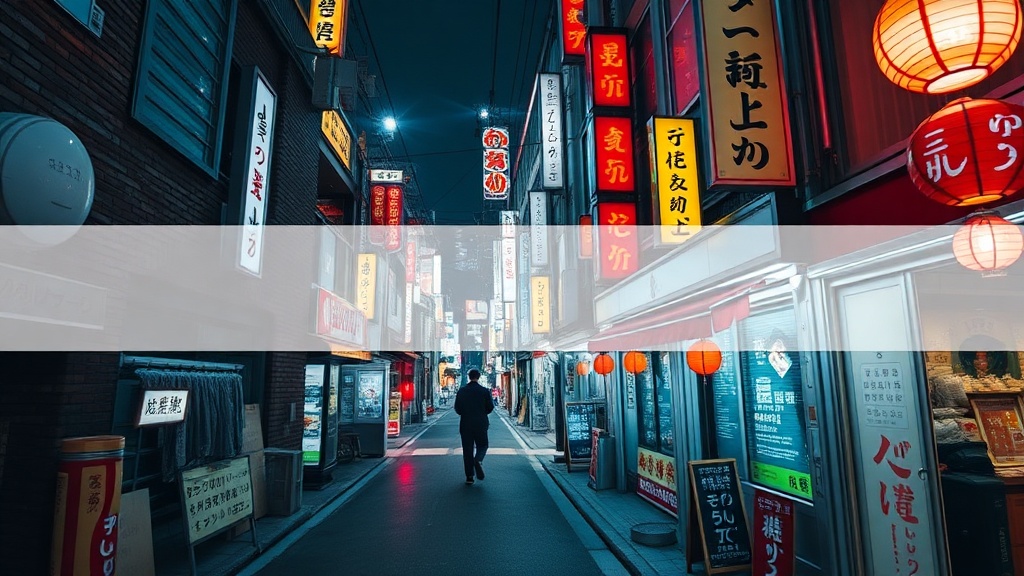
Exploring Tokyo's Hidden Neighborhoods Beyond the Neon Lights

What Lies Beyond the Neon Glow of Shinjuku?
This guide covers how to move past the heavy tourist crowds of central Tokyo to find the quiet, residential, and culturally rich pockets that define the actual rhythm of the city. You'll learn which neighborhoods offer a slower pace, where to find authentic local flavors, and how to transition from a spectator to a temporary resident. Understanding these shifts in atmosphere is vital for anyone wanting to see Tokyo as more than just a high-speed, neon-soaked spectacle.
Most travelers spend their time in a loop between Shibuya, Shinjuku, and Akihabara. While these areas are undeniably electric, they often feel like a curated version of the city. To find the real Tokyo, you have to look toward the smaller train stations and the winding streets that don't show up on every "top ten" list. Whether it's the vintage shops of Shimokitazawa or the old-school vibes of Yanaka, these spots offer a glimpse into a different side of Japanese urban life.
When you move away from the major hubs, the pace changes. The sensory overload of the big stations gives way to the scent of incense, the quiet hum of bicycle wheels, and the local shops that cater to neighbors rather than tourists. This isn't just about seeing a different place; it's about experiencing a different speed of life. It's a way to breathe a little easier in a city that often feels like it's running on a permanent sprint.
Where Can You Find Authentic Local Culture in Tokyo?
If you want to see how tradition lives alongside modern life, look toward the "Shitamachi" areas—the older, low-city parts of Tokyo. Neighborhoods like Yanaka are perfect for this. It's a place where the streets are narrower and the architecture feels more human-scaled. You'll find small temples and shrines tucked between tiny bakeries and craft shops. It's a way to experience a sense of history that feels lived-in, not just preserved for a museum.
Another great spot for a slower vibe is Shimokitazawa. Known for its indie spirit, this area is a haven for vintage enthusiasts and coffee lovers. It's less about the polished, high-end shopping of Ginza and more about the hunt for that perfect second-hand record or a one-of-a-kind piece of clothing. The energy here is relaxed, creative, and distinctly unpretentious. It's a place where you can sit in a small cafe for an hour without feeling the pressure to move along.
For those who want to see the intersection of tradition and the modern world, the area around Nezu is exceptional. The own Japan-guide website provides wonderful context on the historical importance of these older districts. Walking through these streets, you realize that Tokyo's strength isn't just in its technology, but in its ability to keep these small-scale traditions alive in the cracks of the metropolis.
How Do You Navigate the Tokyo Subway System Like a Local?
The complexity of the transit system can feel daunting, but once you understand the basic logic, it becomes your best tool for exploration. The city is a web of different lines—JR lines, Tokyo Metro, and various private railways. While the big stations are the obvious hubs, the smaller stations often lead to the most interesting neighborhoods. Don't be afraid to get off at a station you've never heard of just because the neighborhood looks interesting on a map.
A few practical tips for using the transit system effectively:
- Use a IC card: Whether it's Suica or Pasmo, having a digital or physical card is a must. It makes jumping between different lines seamless.
- Check the exits: Large stations can have dozens of exits. If you're meeting someone or trying to find a specific street, always check which exit is closest to your destination.
- Watch the time: Trains are incredibly punctual, but the frequency of service drops significantly after midnight. If you're exploring a quiet neighborhood, make sure you know when the last train is running.
The subway isn't just a way to get from point A to point B; it's the connective tissue of the city. Every line serves a different culture. The Yamanote loop is the heartbeat of the major hubs, but the side lines take you into the soul of the residential districts. If you want to find the quiet corners mentioned earlier, you'll likely need to hop off the main loop and venture onto a local line.
What Are the Best Neighborhoods for Food and Coffee?
While Tokyo is a world-class culinary capital, the best meals often aren't found in the glossy restaurants of Roppongi. Instead, look for the "shokudo" (small eateries) or the tiny, family-run ramen shops in residential areas. In places like Kichijoji, the food scene is incredibly vibrant but feels much more approachable and local. You can find incredible small-scale dining that doesn't require a reservation weeks in advance.
Coffee culture in Tokyo is also undergoing a massive shift. While the big chains are everywhere, the real magic is in the micro-roasteries. These are often tiny, single-room shops that take the craft of coffee seriously. You might find a cafe tucked into a basement or a second-story space in a quiet side street. These spots aren't just about the caffeine; they are about the ritual and the quiet moment of pause in a busy day.
| Neighborhood | Vibe | Best For |
|---|---|---|
| Yanaka | Historic & Quiet | Temples, traditional crafts, and slow walks. |
| Shimokitazawa | Indie & Creative | Vintage shopping, small theaters, and coffee. |
| Kichijoji | Parks, local dining, and a relaxed residential feel. | |
| Kagurazaka | French-Japanese fusion and sophisticated narrow streets. | |
Exploring these areas allows you to see the layers of the city. You move from the macro-level of the skyscrapers to the micro-level of the local ramen shop or the neighborhood bakery. This is where the true character of Tokyo reveals itself—in the small, unscripted moments that happen between the big-city lights.