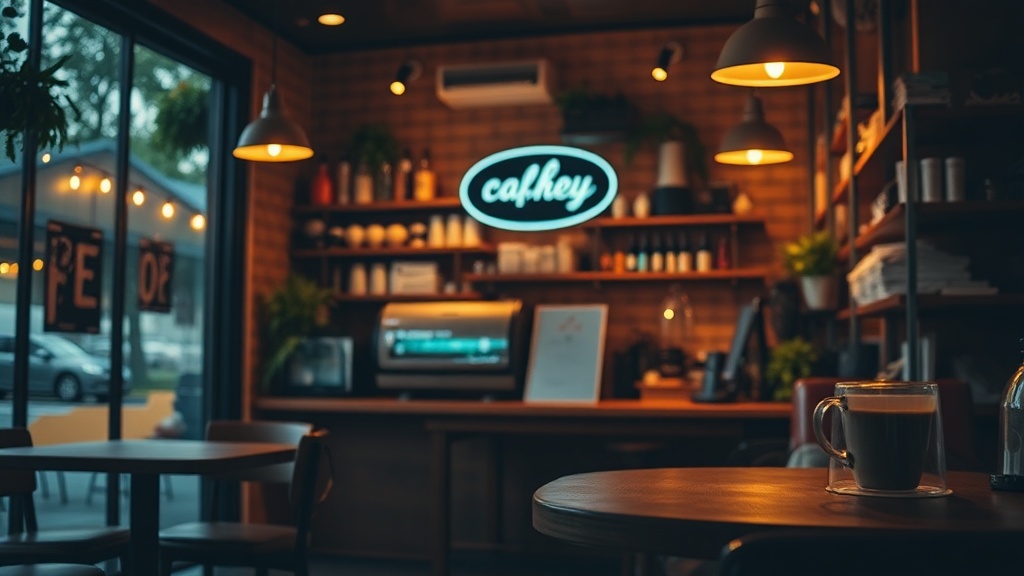
Finding the Best Local Coffee in Neighborhood Cafes

Why Coffee Culture Defines a City's Morning Rhythm
In many European cities, the time spent at a cafe isn't just a break—it's a social ritual that defines the start of the day. While big chains offer consistency, they rarely provide the soul of a neighborhood. Understanding how to identify a high-quality local coffee shop involves more than just looking at a menu; it's about recognizing the subtle cues of community, craftsmanship, and culture. This guide covers how to spot a truly great cafe, how to read a specialty coffee menu, and how to integrate these spots into your urban exploration.
A city's coffee scene acts as a heartbeat. In places like Melbourne or Seattle, the cafe isn't just a place to grab caffeine; it's a destination. When you're traveling, sticking to the big names is safe, but you'll miss the actual pulse of the area. A local shop often serves as a hub for residents, making it the perfect place to observe local-level social dynamics and find hidden gems that aren't on the main tourist maps.
How do I know if a cafe is actually good?
Don't look at the flashy signage or the Instagram-friendly decor first. Instead, look at the people. A high-quality local cafe often has a mix of regulars—people who clearly know the staff and the menu by heart. If you see a person reading a physical book or working on a laptop without a sense of rush, the environment is likely welcoming and well-paced.
Next, check the equipment. A serious shop will invest in high-end machinery. If the espresso machine looks well-maintained and the grinders are clean, that's a great sign. You can often check the quality of a shop's beans by looking at their website or social media to see if they partner with local roasters. A shop that sources from a reputable local roaster is usually more committed to the craft than one using generic, mass-produced beans. For more information on how coffee quality is graded, you can check out the Specialty Coffee Association standards.
- The Smell Test: A good cafe should smell like roasted beans, not burnt toast or heavy syrups.
- The Menu Depth: If they only offer "coffee" and "tea," they might be a generalist. If they offer specific origins or brewing methods, they're likely specialists.
- The Speed: Quality espresso takes time. If your drink arrives in thirty seconds, it might be rushed or poorly extracted.
What are the best things to order to test quality?
If you want to test a barista's skill, order something simple. A straight espresso or a flat white is a perfect litmus test. A well-pulled shot of espresso should have a thick, golden crema and a balanced flavor profile—neither too acidic nor too bitter. If you're in a region known for specific brewing methods, try a pour-over. This method highlights the delicate notes of the bean, such as citrus, chocolate, or floral scents.
If the cafe offers a seasonal menu, try that too. It shows they are paying attention to fresh ingredients and changing much more than just the temperature. Avoid ordering overly complicated, sugary drinks if you are trying to gauge the quality of the coffee itself; much like a fine wine, the best coffee should be able to stand on its own without heavy syrups masking the natural profile.
Can I find great coffee in a non-specialty shop?
Yes, but you'll have to look harder. In many parts of the world, the "third wave" coffee movement (focused on high-quality beans and artisanal brewing) hasn't reached every corner. You might find a traditional, old-school cafe that has been there for decades. These spots often serve a much stronger, darker roast that might not fit the "specialty" profile, but they offer a sense of history and culture that a modern shop cannot replicate.
In these settings, the goal isn't to find a light, fruity Ethiopian pour-over; it's to find the best version of the local tradition. Whether it's a thick, dark Turkish coffee or a classic Italian espresso, the key is to find a place that respects the tradition. You can learn more about the history of different brewing styles via Britannica to better understand what to look for in different regions.
When you find that perfect spot, don't just drink and leave. Sit. Observe. This is where the real city life happens. You'll see the student studying for an exam, the two old friends catching up, and the local professional grabbing a quick shot before a meeting. These moments are the threads that weave the fabric of a city's culture. By prioritizing these small, local interactions over the convenience of a global chain, you're not just caffeinating—you're experiencing the neighborhood.