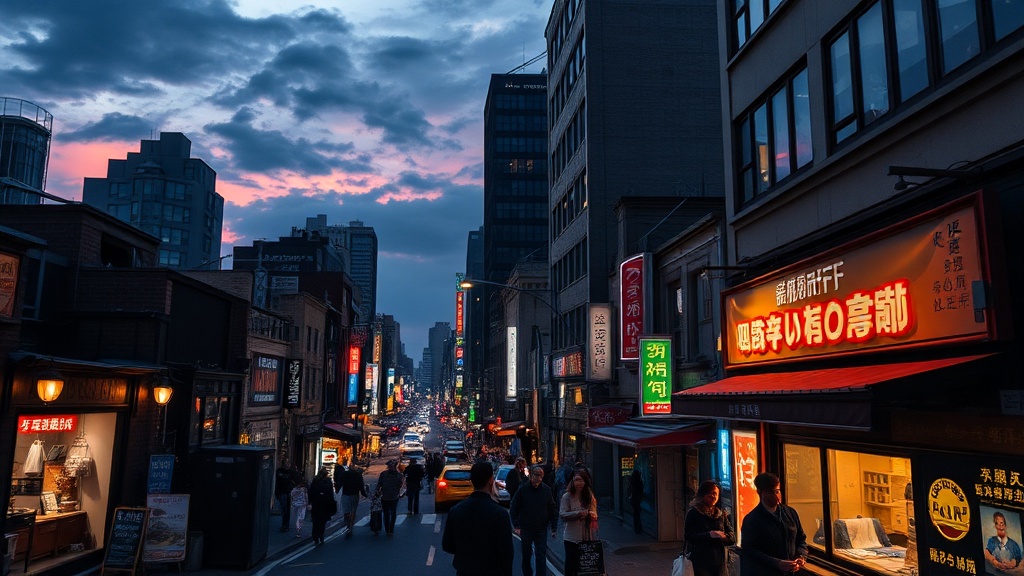
Finding the Real Rhythm of a New City Without a Script
Why following a guidebook might be your biggest mistake
Most people believe that to truly see a city, you need a meticulously curated itinerary. They think a successful trip requires hitting every top-rated museum and checking off every famous landmark by sunset. It's a mistake. If you follow a rigid schedule, you aren't actually experiencing a place; you're just performing a checklist. You end up in long queues for photo ops while the actual soul of the city—the spontaneous interactions, the side-street music, the way the light hits a specific alleyway at 4 PM—passes you by. To find the pulse of an urban environment, you have to stop acting like a tourist and start acting like a temporary resident.
The goal isn't to see everything; it's to feel something. This means leaving the high-gloss brochures at the hotel. Instead of looking for the "best" restaurant on a top-ten list, look for the place where people are actually eating. Instead of rushing to the monument, spend twenty minutes sitting on a park bench watching how the locals use the space. This approach requires a shift in mindset from consumption to observation. It's about being present in the chaos rather than trying to avoid it.
How do I find authentic local spots?
The search for authenticity often leads people to the exact opposite of what they want. If you see a sign in five different languages, you've already lost the plot. To find where the locals actually hang out, look for the lack of branding. A small shop with no neon sign or a cafe where the menu is handwritten on a chalkboard is usually a better bet than a polished franchise.
Try these specific methods to find those hidden gems:
- The Coffee Shop Test: Find a cafe that doesn't look like it was designed for Instagram. If the chairs are mismatched and the light is dim, you've found a place where people go to think or talk, not just to take a picture of their latte.
- The Grocery Store Strategy: Visit a local supermarket or a neighborhood market. This tells you more about the culture than any museum. What are the staple ingredients? What do families grab on their way home? This is where the real rhythm of daily life lives.
- Public Transit Observation: Take the bus or the subway. Don't just use it to get from point A to B; watch how people interact. Are they reading? Talking? Is the atmosphere quiet or loud? This gives you a sense of the social fabric.
For more on understanding how local food shapes urban identity, check out the UNESCO Intangible Cultural Heritage archives, which detail how traditions live through everyday practices.
Can I explore a city safely on my own?
A common fear is that wandering off the beaten path leads to danger. While you shouldn't be reckless, the safest way to explore is to blend in. This doesn't mean losing your personality, but it does mean being aware of your surroundings. If you look like a lost traveler holding a giant map, you're a target for distractions. If you look like someone who knows where they're going (even if you're just wandering with intent), you'll move through the city with much more ease.
Always keep a mental map of your surroundings. If you need to check your phone for directions, step into a shop or a cafe rather than standing on a street corner. This keeps your focus on the environment rather than the screen. Also, learn a few basic phrases. Even if your pronunciation is terrible, the effort to speak the local language changes how people perceive you. It moves you from being an outsider to a respectful guest.
What is the best way to experience street culture?
Street culture isn't something you watch from a distance; it's something you participate in. This can be as simple as sitting in a public square or as active as attending a local street festival. To find these-moments, you have to be willing to be bored. True culture often happens in the quiet moments—the way a street performer sets up their gear or how a crowd gathers around a street vendor.
Don't be afraid of the "in-between" spaces. The most interesting things often happen in the neighborhoods that aren't mentioned in the glossy travel magazines. These are the areas where the rent is lower, the art is experimental, and the culture is still being formed. If you want to see the real city, you have to go where the tourists aren't.
If you are looking for more structured ways to understand global urbanism, the World Bank Urban Development resources offer great insights into how cities function on a systemic level. Understanding the bones of a city helps you appreciate the skin of its culture.
Stop trying to conquer the city. You can't win a game against a place that has existed for centuries. Instead, try to listen to it. The city is a living, breathing entity with its own pace and its its own rules. Once you stop fighting the current and start drifting with it, you'll find that the most memorable parts of your trip weren't the things you planned, but the things that happened while you weren't looking.