How to Build a Practical Packing List for Long-Term City Travel

This guide shows you how to select gear that balances mobility, urban aesthetics, and functionality for extended stays in major metropolitan areas.
Packing for a single weekend trip is one thing, but preparing for a month or more in a major global hub requires a different mindset. You aren't just packing clothes; you're packing a mobile lifestyle. This post covers how to curate a lightweight, versatile wardrobe and the specific gear needed to handle the varied environments of a large city—from high-end dining in London to gritty subway commutes in New York. You'll learn how to prioritize items that work across multiple settings without carrying a massive suitcase.
The biggest mistake travelers make when heading to a city is overpacking. In a metropolitan environment, you'll likely be moving through crowded trains, walking several miles a day, and perhaps even dealing with sudden weather shifts. A heavy bag is a liability. If you can't carry your own luggage up three flights of stairs in a tiny Parisian apartment, you've brought too much. Focus on high-quality, durable items that can be layered easily.
How much clothing do you actually need for a month in a city?
The secret isn't bringing thirty days of outfits; it's bringing seven days of versatile pieces that you can mix and match. A solid color palette—think neutrals like navy, black, olive, or cream—makes this much easier. If every top works with every bottom, you've already won half the battle.
When selecting your wardrobe, consider the "three-scenario rule": your clothes should work for a casual coffee shop, a professional meeting or museum visit, and a decent dinner. You don't need a different outfit for every event, just different layers. A high-quality linen shirt or a lightweight sweater can change the entire vibe of an outfit depending on how it's styled.
- The Base Layer: Bring moisture-wicking tees or silk blends that dry quickly.
- The Outer Layer: A lightweight, water-resistant trench or a structured denim jacket provides utility and style.
- The Footwear: This is where most people fail. You need one pair of high-quality walking sneakers and one pair of slightly more "dressed up" shoes (like loafers or Chelsea boots).
Don't forget the importance of weather-appropriate gear. Even in summer, cities can get chilly once the sun goes down or when the wind tunnels between skyscrapers pick up. A compact, sturdy umbrella or a lightweight raincoat is a non-negotiable. You can check real-time weather patterns through AccuWeather to see if you'll be facing heavy rain or unexpected heatwaves before you finalize your bag.
What are the best ways to organize a carry-on for urban trips?
Organization is the difference between a smooth trip and a chaotic one. Instead of stuffing loose items into a backpack, use compression packing cubes. These aren't just for hikers; they are perfect for keeping your shirts separate from your socks in a cramped hotel room or a shared hostel.
A dedicated electronics organizer is another must. In a city, you'll be using your phone for maps, translation, and photography constantly. You need a way to keep your charging cables, power banks, and headphones from becoming a tangled mess in your bag. A small, dedicated tech pouch keeps your gear accessible and prevents you from digging through your entire bag while standing on a moving subway train.
| Item Category | Must-Have Item | Why it Matters |
|---|---|---|
| Tech | Universal Power Adapter | Avoids the hassle of finding local shops. |
| Health | Small First Aid Kit | Quick fixes for blisters or minor headaches. |
| Daily | Reusable Water Bottle | Saves money and reduces urban waste. |
For those interested in the logistical side of global travel, the Lonely Planet website offers great insights into local customs and what to expect in different regions, which can help you refine your gear list even further.
How do I carry everything without a massive suitcase?
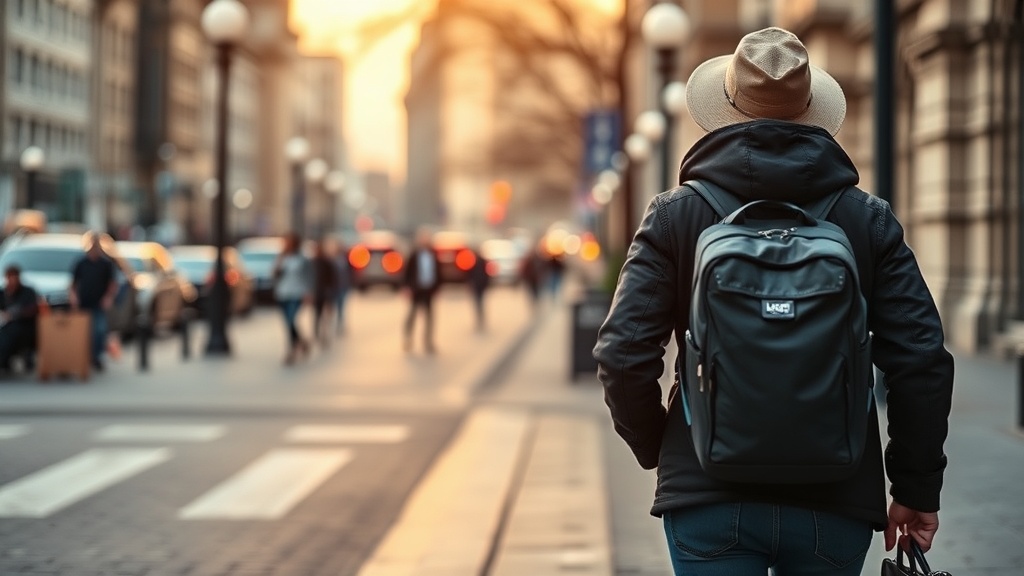
If you're staying in a city for a while, you'll likely be using public transit or walking frequently. Avoid the temptation of a massive, rolling suitcase if you can. A medium-sized backpack or a sleek, durable duffel is often more practical. It allows you to move through crowds more easily and avoids the struggle of dragging wheels over cobblestones or subway stairs.
A small, "day-pack" or a crossbody bag is also vital. You'll want a place to keep your essentials—passport, wallet, phone, and transit card—securely against your body while you're navigating crowded areas. This prevents theft and keeps your most important items within easy reach. Look for bags with anti-theft features or simple, secure zippers.
Ultimately, your goal is to remain agile. A city moves fast, and your gear should allow you to keep up. Whether you are grabbing a quick espresso in a local cafe or walking through a massive public park, having a streamlined, organized set of belongings will make your experience much more enjoyable. Focus on quality over quantity, and always prioritize items that serve more than one purpose.