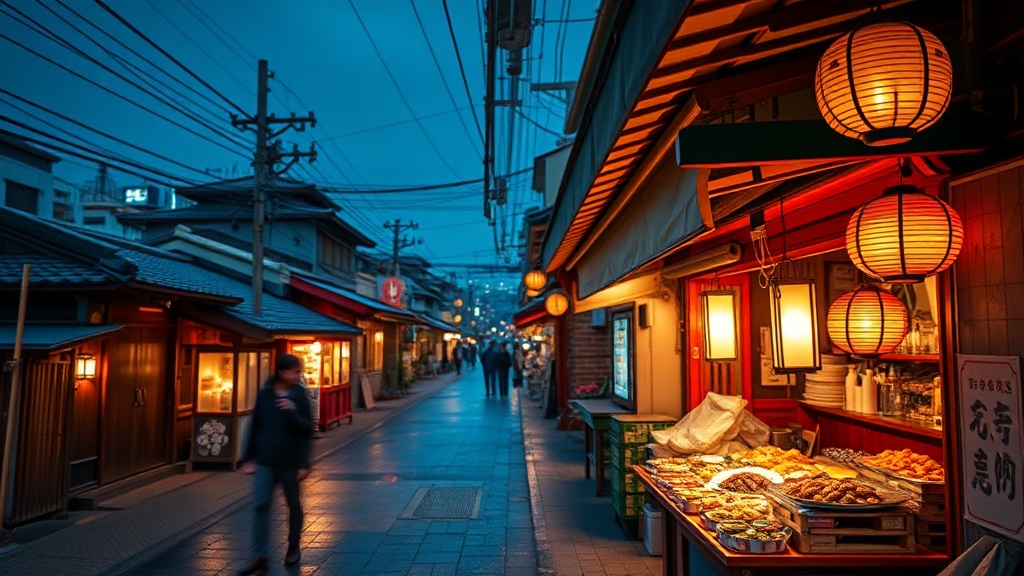
Midnight Tea and Street Food Rituals in Kyoto

Most travelers assume Kyoto shuts down by 9:00 PM, leaving only the quiet, dark shrines to keep you company. That's a mistake. While the traditional tea houses in Gion might close early, a different kind of culture emerges after dark—one centered around late-night ramen shops, standing bars, and the ritual of midnight tea. This guide breaks down the logistics of late-night dining, the specific neighborhoods where you'll actually find food-seeking locals, and the etiquette required to enjoy street food without offending the locals.
Where Can You Find Late-Night Food in Kyoto?
You can find the best late-night food in the Pontocho Alley and the areas surrounding Kyoto Station. While much of the city follows a strict rhythm, these specific zones stay active well into the early hours of the morning. If you're looking for something specific, head toward the Kamo River or the bustling streets of Kawaramachi.
Pontocho is narrow. It's atmospheric, slightly intimidating if you don't know what you're doing, and packed with tiny eateries. You won't find massive, neon-lit fast-food chains here. Instead, you'll find much smaller, specialized shops. One of the most iconic ways to end a night is with a steaming bowl of ramen. For instance, Ichiran is a reliable name for a quick, high-quality bowl, but for something more local, look for the small yatai (street stalls) that pop up near transit hubs.
The ritual of eating in Kyoto isn't just about calories; it's about the environment. Many of these shops are built into structures that have stood for decades. It's a sharp contrast to the modern, polished feel of Tokyo. If you want to see how historical preservation works in practice, you might find the history of Kyoto fascinating—though you'll likely be too busy eating to read much of it.
Here is a quick breakdown of what to expect in different food zones:
| Neighborhood | Vibe | Best For |
|---|---|---|
| Pontocho | Intimate/Traditional | High-end Kaiseki or small Izakayas |
| Kyoto Station | Fast/Efficient | Ramen, Bento, and quick bites |
| Gion | Elegant/Quiet | Traditional tea and refined snacks |
| Kawaramachi | Lively/Modern | Street food and casual dining |
What is the Etiquette for Eating Street Food in Japan?
The golden rule of Japanese street food is that you should never walk while eating. In many Western cities, grabbing a snack and walking down the street is the norm. In Kyoto, it's considered quite rude. If you buy a snack from a stall, stand to the side, finish it, and then move on.
This isn't just a suggestion—it's a matter of respect for the space and the vendors. If you see a crowd gathered around a small stall, don't push through. Wait your turn. The same applies to trash. You shouldn't carry your empty food containers around for hours. Most vendors expect you to dispose of your waste in their specific bin before leaving the area.
It's also worth noting the "no tip" rule. You don't need to leave extra change on the table. In fact, doing so might cause a bit of confusion. The price you see is the price you pay. This applies to both the high-end tea houses and the tiny ramen stands.
When it comes to drinking, many people pair their late-night food with a specific beverage. A cold beer is standard, but for a true Kyoto experience, try a hot matcha or a specialized tea. If you're a fan of precision, you'll appreciate the way even a simple tea is prepared. It's not just a drink; it's a process.
A Quick Guide to Common Late-Night Snacks
- Takoyaki: Octopus balls that are crispy on the outside and gooey on the inside.
- Taiyaki: Fish-shaped cakes often filled with sweet red bean paste.
- Yakitori: Skewered chicken grilled over charcoal—perfect with a drink.
- Matcha Soft Serve: Often found near shrines, even in the late evening.
How Much Does a Late-Night Meal Cost in Kyoto?
A typical late-night meal in Kyoto costs between 1,000 and 3,000 JPY (roughly $7 to $20 USD). This covers everything from a hearty bowl of ramen to a few skewers of yakitori and a drink. Prices vary wildly depending on whether you're at a standing bar or a seated restaurant in Pontocho.
If you're on a budget, the area around Kyoto Station is your best friend. You can find incredibly cheap, delicious options that won't break the bank. A bowl of ramen might only set you back 800 JPY. On the other hand, if you're looking for a more "refined" late-night experience, expect to pay more for the atmosphere and the service.
I've found that many people overspend because they don't realize how much "hidden" cost goes into the atmosphere of the high-end districts. It's okay to splurge, but don't feel like you have to every night. One night of high-end dining is plenty. The real magic is often found in the unpretentious, slightly gritty ramen shops that stay open until 2:00 AM.
For those interested in the economic side of Japanese tourism and how it affects local pricing, the Official Japan Travel Guide provides great insights into regional variations.
If you're traveling through Europe before hitting Japan, you might appreciate the way historical cities manage their nightlife. It reminds me of the way people explore the hidden corners of Prague, where the atmosphere changes completely once the sun goes down. Kyoto has that same ability to shift its identity.
One thing to keep in mind: many small shops are cash-only. While the world is moving toward digital payments, the small-scale street food scene in Kyoto still loves its yen. Don't rely solely on your credit card or your phone—keep some physical cash on you at all times. It'll save you a lot of frustration when you're standing in front of a delicious-looking stall at midnight.
The best way to experience the city isn't by following a rigid itinerary. It's by wandering. Walk until you smell something good. Stop when you see a line of locals. The best food isn't always the one with the English menu; it's usually the one where you can't read a single word on the sign.