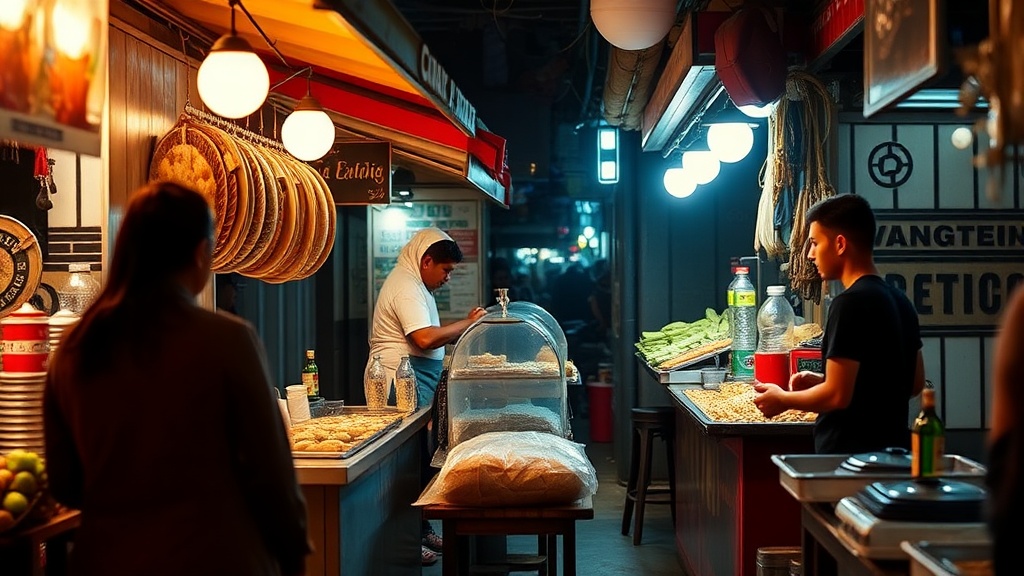
Small Bites and Big Flavors: 5 Street Food Markets in Mexico City

The Tacos of Mercado de Coyoacán
Tamale Traditions in Centro Histórico
Savoring Flavors at Mercado Roma
Antojitos and Corn in San Ángel
Late Night Bites at La Merced
The scent of charred masa and sizzling chorizo hangs heavy in the humid air of a Mexico City afternoon. A vendor expertly flips a corn tortilla on a flat metal griddle, the steam rising to meet the chatter of a dozen nearby conversations. This isn't just a quick meal; it is a sensory overload of spice, smoke, and heat. Mexico City's street food culture is a massive, living entity that defines the city's soul. This list explores five specific markets and zones where you can find the most iconic, high-quality bites without needing a reservation or a white tablecloth.
Finding the best food in a city of 22 million people can feel overwhelming. You might worry about food safety or just where to start. The truth is, the best food often comes from the smallest stalls. It's about finding that one specific vendor who has been making the same recipe for thirty years.
Where is the Best Street Food in Mexico City?
The best street food in Mexico City is found in the bustling, high-density neighborhoods like Roma, Condesa, and the historic Centro Histórico. While there isn't one single "best" spot, the Mercado de San Juan and the street corners of Coyoacán offer the most concentrated variety of high-end and traditional flavors.
If you want a structured way to approach your eating, I recommend categorizing your search by the type of food you crave. Not all markets are created equal. Some are heavy on savory meats, while others focus on sweets or specific regional specialties.
- The Traditionalist: Focus on Mercado de San Juan for high-quality ingredients and specialized meats.
- The Sweet Tooth: Head to the markets in Coyoacán for churros and traditional pan dulce.
- The Adventurer: Look for the street stalls in Centro Histórico for spicy, heavy-hitting tacos.
- The Casual Browser: Visit the markets in Roma Norte for a mix of traditional and modern fusion.
1. Mercado de San Juan: The Gourmet's Playground
This isn't your typical neighborhood market. It’s a bit more upscale and caters to foodies who want to see things like edible insects or high-quality seafood. You'll see people browsing for escamoles (ant larvae) or specialized cheeses alongside traditional produce. It feels much more organized than a standard street corner stall, but it still retains that gritty, authentic charm.
It is a fantastic place to see the raw ingredients that make Mexican cuisine world-famous. You can find everything from premium cuts of beef to exotic delicacies that you won't find in a standard grocery store. If you are interested in the history of these ingredients, the Wikipedia page on Mexican cuisine offers a great deep dive into how these flavors evolved.
Don't be afraid to ask the vendors what they recommend. Most of them are incredibly proud of their specific niche. If a vendor is specializing in a single type of chili or a specific cut of meat, they likely know more about it than any chef in a five-star restaurant.
2. Coyoacán: The Heart of Tradition
Walking through the cobblestone streets of Coyoacán feels like stepping back in time. The market here is a vibrant, loud, and colorful experience. You'll find huge crowds of families, students, and tourists all vying for the same legendary tostadas. The energy is infectious—it's loud, it's messy, and it's perfect.
The standout here is the Tostadas Coyoacán. It's a local staple for a reason. The crunch of the fried base against the creamy avocado and spicy salsa is something you'll remember long after you leave the city. It's also a great place to grab a coffee or a hot chocolate to wash down the spice.
Pro-tip: Go in the late afternoon. The light is beautiful, and the street food vendors are in full swing. Just watch your step—the cobblestones can be a bit tricky if you're focused on your plate.
3. Mercado de Jamaica: A Floral and Flavorful Mix
Most people think of the Mercado de Jamaica as a flower market, and they're right. But if you look closer, the food scene here is spectacular. The combination of the scent of thousands of roses and the smell of frying corn is something you won't find anywhere else. It's a sensory experience that is both beautiful and slightly chaotic.
The food here is often more affordable and less "touristy" than the spots in Roma or Condesa. You can grab a massive breakfast of chilaquiles or a stack of quesadillas for a fraction of what you'd pay in the more central districts. It's a great way to practice your urban navigation skills, as the market can be a labyrinth of stalls and narrow walkways.
| Market Name | Primary Vibe | Must-Try Item |
|---|---|---|
| Mercado de San Juan | Gourmet/Specialty | Escamoles or High-end Seafood |
| Coyoacán | Traditional/Historic | Tostadas with spicy salsa |
| Mercado de Jamaica | Floral/High Energy | Traditional breakfast Tacos |
| Centro Histórico | Fast/Street-centric | Al Pastor Tacos |
4. La Nueva Viga: The Seafood Specialist
If you want fresh seafood, you go to La Nueva Viga. This is a massive market dedicated almost entirely to fish and shellfish. It's a bit of a way to go from the center, but it's worth the trip. The sheer scale of the fish displays is staggering. It's a working market, meaning it's fast-paced and focused on business.
The food here is incredibly fresh. You can find stalls that prepare shrimp or fish right in front of you. It’s a different kind of experience than the taco stands in the city center—it's more about the raw quality of the ocean's bounty. If you're traveling with a group, this is a great place to split a few different seafood platters.
5. The Tacos of Centro Histórico
You can't talk about Mexico City without talking about the street corners of the historic center. This is where the taquerías rule the night. The smell of marinated pork (Al Pastor) spinning on a vertical spit is the unofficial scent of the city. It's constant. It's everywhere.
The best way to do this is to look for the stands with the longest lines. A long line of locals is the only "review" you need. Whether it's a tiny stall with three plastic stools or a more established shop like El Huequito, the goal is the same: eat, enjoy, and move on. You don't need to linger. The food is meant to be eaten quickly, often standing up, while the flavors are at their peak temperature.
How Much Does Street Food Cost in Mexico City?
Street food in Mexico City is incredibly affordable, with most items costing between 20 and 80 Mexican Pesos (roughly $1 to $4 USD). You can easily eat a full, satisfying meal for under $10 USD, even if you indulge in a few different types of tacos and a drink.
While it's cheap, I'd suggest keeping some small denominations of cash on you at all times. Many of these vendors don't take credit cards, and even the ones that do might have a minimum spend. It's also worth noting that many of these places are cash-only, so don't rely on your phone or a card to get through your meal. It's a good idea to keep your digital documents and payment info organized—check out my guide on managing your digital documents to ensure you're prepared for any travel hiccups.
The cost-to-flavor ratio is unbeatable. You're getting world-class culinary skill for the price of a cup of coffee in London or New York. Just remember to bring plenty of small bills. It makes the transaction much smoother for both you and the vendor.
One thing to keep in mind: the heat levels can vary wildly. A "mild" salsa in one stall might be a "fire breathing dragon" in another. If you aren't sure, ask the vendor for a small sample or look at what the person next to you is eating. It's a common way to gauge the intensity before you commit to a full plate.