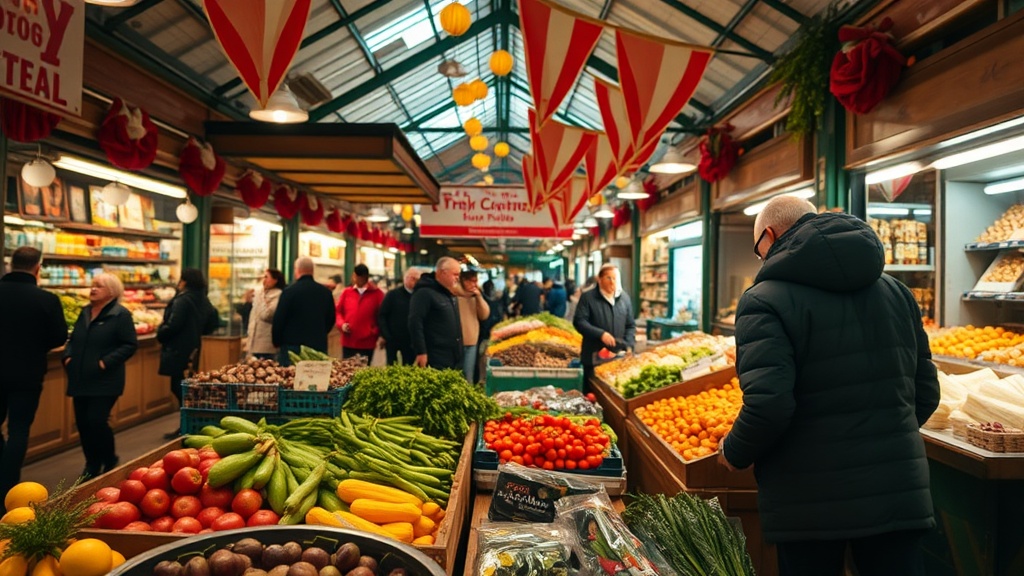
What Makes Public Markets the True Heart of a City?

Public markets reveal a city's soul more honestly than any guidebook ever could. Walk through one at dawn—the vendors arranging their goods, the first customers haggling over produce, the smells of coffee and fresh bread mingling in the air—and you'll witness the daily rhythm of local life unfolding in real time. This post explores why these spaces matter, what they teach us about urban culture, and how to read them like a seasoned traveler.
Why Do Public Markets Matter More Than Tourist Attractions?
Tourist attractions present a polished version of a city. They're curated, cleaned up, and designed for cameras. Public markets, by contrast, are gloriously messy. They're where grandmothers buy ingredients for family dinners, where taxi drivers grab quick lunches, where teenagers meet friends after school. In other words—they're where the city actually lives.
Markets compress urban culture into walkable spaces. A single aisle might contain three generations of a family selling cheese made from the same recipe. Another stall might feature immigrants preparing dishes from their homeland, introducing new flavors to curious locals. These interactions happen organically, without marketing departments or visitor centers orchestrating the experience.
The economic impact runs deeper than most visitors realize. Small vendors keep money circulating within communities. When you buy bread from a local baker instead of a chain supermarket, that baker likely sources flour from regional mills, hires neighborhood staff, and pays rent to local landlords. Markets create economic ecosystems that support entire neighborhoods. The Project for Public Spaces has documented how markets serve as economic anchors, generating between 1.5 and 3 dollars in surrounding business activity for every dollar spent inside.
What Can You Learn About a City From Its Market Layout?
Market architecture tells stories about history, climate, and social priorities. Covered markets with high ceilings and iron frameworks—think Barcelona's La Boqueria or London's Borough Market—date from industrial eras when cities grew rapidly and needed permanent food infrastructure. These spaces were civic investments, statements about urban confidence and planning.
Open-air markets reveal different priorities. In Mediterranean cities like Athens or Palermo, markets spill across streets and squares because the weather permits year-round outdoor commerce. The layout follows ancient patterns—fishmongers cluster near the water, produce vendors occupy shaded areas, meat sellers work where refrigeration is accessible. These arrangements aren't accidental; they evolved through centuries of practical problem-solving.
Asian markets often operate vertically. Hong Kong's wet markets stack vendors across multiple floors, maximizing limited urban land. Japanese depachika—underground food halls beneath department stores—reflect a culture that values presentation and cleanliness while maintaining incredible variety. Each level offers different products, from basement-level seafood to rooftop garden supplies.
The social organization matters too. Some markets segregate vendors by product—everyone selling textiles in one section, food in another. Others mix goods deliberately, forcing customers to wander and discover. Mexican mercados typically cluster butchers together (the meat district has distinct smells), while Moroccan souks organize by craft type, creating entire streets dedicated to leather, spices, or metalwork.
How Do You Find Markets Worth Your Time?
Not all markets are created equal. Some have transformed into tourist traps—clean, convenient, and completely devoid of local character. Others remain genuine community hubs where visitors are welcome but not the main event. Learning to tell the difference is a skill that pays dividends across every city you visit.
Start with timing. Markets that open before dawn and close by early afternoon serve working residents, not tourists. Fish markets in Japan, produce markets in Italy, and flower markets in Colombia all operate on schedules determined by local needs. If a market stays open until midnight and accepts credit cards everywhere, it's probably catering to visitors rather than locals.
Look at the language on signs. Markets with handwritten price tags in local scripts—where you might need to point and gesture—usually indicate authentic commerce. Pre-printed multilingual displays suggest tourist-oriented operations. That's not always bad, but it changes what you're experiencing.
The soundscape reveals truth too. Genuine markets are loud. Vendors call out prices, customers argue over quality, music plays from phone speakers, knives chop against wooden boards. Spaces that feel library-quiet have been sanitized for comfort rather than culture. The BBC's food city profiles consistently note how acoustic environments distinguish living markets from museum-piece versions.
How Do Markets Shape Urban Culture Beyond Commerce?
Public markets function as informal community centers. They're where news spreads, where political opinions form, where social bonds strengthen through repeated encounters. In many cities, markets are the only places where different social classes regularly interact. A wealthy executive and a construction worker might shop at different boutiques, but they'll stand in the same line for fresh tortillas or banh mi.
This mixing creates cultural transmission. Food traditions survive because markets reward authenticity. A vendor selling grandmother's recipes competes differently than chain restaurants with marketing budgets. Word of mouth—genuine, neighbor-to-neighbor recommendation—determines success. Good food finds its audience; mediocre offerings disappear quickly.
Markets also incubate small businesses with minimal barrier to entry. Young entrepreneurs test concepts with market stalls before committing to restaurant leases. Home cooks sell specialties that would never scale to full storefronts. This experimentation keeps urban food cultures dynamic and responsive.
The sensory education is irreplaceable. Markets teach you what produce looks like in season. You'll recognize when tomatoes actually taste like tomatoes, when mangoes are at peak ripeness, when fish was caught this morning rather than last week. This knowledge transfers across cultures—once you learn to judge freshness in one market, you apply those skills everywhere.
What Should You Actually Do When Visiting a Market?
Walk slowly. Markets reward patience and punish rushing. Start with observation—watch how locals interact with vendors, notice what they buy and in what quantities. This tells you what's good today, what's in season, what's fairly priced.
Buy something small from multiple vendors rather than everything from one stall. This spreads your economic impact and gives you more opportunities for interaction. Even basic phrases—hello, please, thank you—open doors. Many vendors enjoy explaining their products to genuinely curious visitors.
Eat at the market if possible. Food prepared on-site—grilled meats, fresh juices, hot snacks—represents the most direct connection between ingredients and cooking. These casual eating areas are where you'll find the most honest food, made for regular customers who would notice declining quality immediately.
Take photos respectfully. Markets are workplaces, not theme parks. Ask permission when photographing people. Many vendors are proud of their displays and happy to be photographed; others have valid reasons for privacy. Reading social cues matters here more than in tourist zones.
The world's great cities—Mexico City, Bangkok, Istanbul, Marrakech—are unimaginable without their markets. These spaces aren't nostalgic throwbacks to pre-supermarket economies; they're living institutions that continue evolving. Modern markets incorporate digital payment systems, source ingredients globally, and serve increasingly diverse populations. What persists is their role as social infrastructure, places where commerce creates community and where visitors can glimpse daily life unfiltered by tourism boards.
Next time you travel, skip the gift shop. Find the market where locals shop, arrive early, stay longer than planned, and pay attention to what unfolds around you. You'll learn more about that city in one morning than a week of museum visits could teach. The National Geographic exploration of market culture emphasizes this same truth: markets remain our most direct portal into understanding how cities actually function, not how they're marketed to appear.