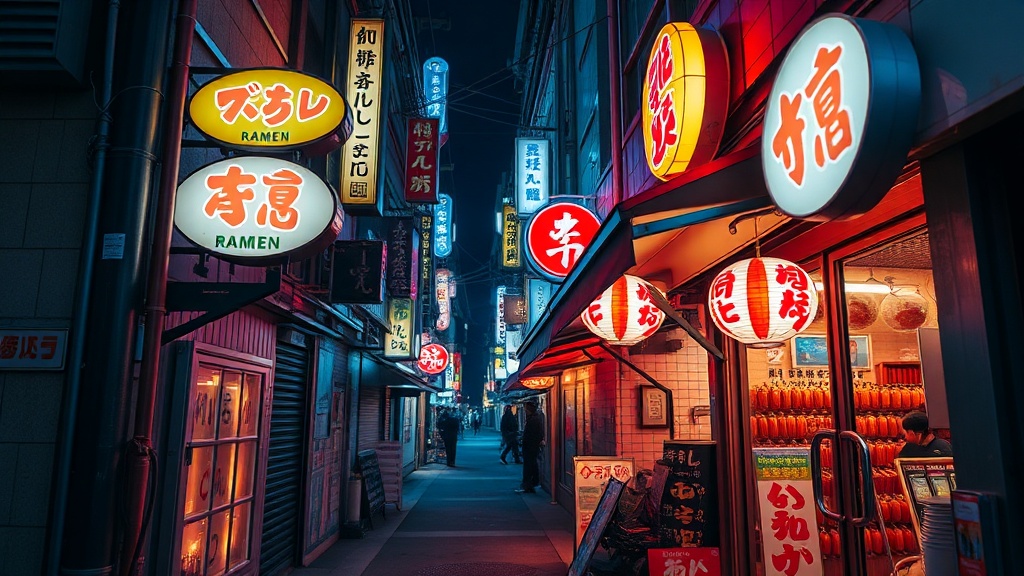
4 Neon-Lit Ramen Shops Tucked in Tokyo's Alleyways

The Shinjuku Midnight Noodle Stand
Golden Gai's Smallest Ramen Counter
Shibuya's Hidden Basement Broth
Akihabara's Secret Alleyway Ramen
Most travelers assume that finding the best ramen in Tokyo requires a reservation at a Michelin-starred establishment or a long line outside a major train station. That's a mistake. The most authentic, high-intensity ramen experiences aren't found on the main boulevards of Shinjuku or Shibuya, but tucked away in the narrow, neon-soaked alleyways where the light barely reaches the pavement. This guide identifies four specific shops that prioritize broth depth and local atmosphere over flashy marketing.
Where can I find the best ramen in Tokyo's backstreets?
The best ramen is found in the "yokocho" (alleyway) culture of districts like Shinjuku and Ebisu, where small-scale shops specialize in a single type of broth. These spots often lack English signage and rely on vending machine ordering systems, which keeps the focus on the bowl rather than the service.
1. Ichiran (Shinjuku Back-Alley Style)
While Ichiran is a massive brand, the way you experience it in the smaller, cramped-quarter branches is vastly different from the polished-up locations in major malls. You aren't just eating; you're participating in a highly structured ritual. You sit in a single-person booth—a "flavor concentration booth"—designed to eliminate distractions. It's a solitary experience that forces you to focus entirely on the texture of the thin, straight noodles and the richness of the tonkotsu broth.
The beauty here is the customization. You get a paper slip to check off exactly how much garlic, spice, and noodle firmness you want. It’s a bit mechanical, sure, but it’s incredibly efficient. If you're a solo traveler, this is your sanctuary. No one will bother you, and you won't feel awkward eating alone.
2. Afuri (Ebisu/Nakameguro)
If you find heavy, pork-based broths too taxing, Afuri is the antidote. They are famous for their Yuzu Shio Ramen, which uses a citrus-infused salt broth that feels much lighter than the heavy hitters you see elsewhere. The scent of the yuzu hits you before you even take a sip, providing a sharp, refreshing contrast to the savory depth of the soup.
The vibe here is slightly more modern but still retains that intimate, high-energy alleyway feel. It's a favorite for people who want a high-quality meal that won't leave them feeling sluggish for the rest of the night. It's also a great place to observe the local "salaryman" culture—the quick, efficient dining that defines Tokyo's work-hard-play-hard mentality.
3. Ramen Zero Rie (Hidden Shinjuku)
This is where things get gritty. Zero Rie is one of those spots that doesn't scream for your attention. It’s tucked away in a way that makes you feel like you've discovered a secret. The broth is unapologetically intense. We're talking about a deep, dark, almost visceral flavor profile that stays with you. It's the kind of place where the steam from the pots creates a permanent fog in the air, illuminated only by a single flickering neon sign.
The service is lightning fast. You order from a machine, sit down, and within minutes, a steaming bowl of noodles is in front of you. It’s not about the conversation; it's about the heat and the salt. If you want to understand the soul of Tokyo's late-night food scene, this is it.
4. Nakiryu (The Michelin-Recognized Hidden Gem)
Nakiryu proves that you don't need a skyscraper to serve world-class food. Located in a quiet corner of Nakano, this shop focuses on a highly refined Tori Paitan (creamy chicken broth). The texture is velvety, almost like a liquid silk, and it’s a far cry from the heavy pork bones found in typical ramen shops. It's a sophisticated, cleaner flavor profile that shows the incredible range of the cuisine.
Expect to wait, though. Even in the alleys, quality attracts a crowd. The patrons here are often enthusiasts who travel specifically for this bowl. It’s a testament to the history of ramen as a constantly evolving craft.
How much does a bowl of ramen cost in Tokyo?
A standard bowl of high-quality ramen in a Tokyo alleyway typically costs between 800 and 1,500 JPY (approximately $5 to $10 USD). Most shops use a ticket-vending machine system at the entrance, so you'll pay upfront before you even sit down.
To give you a better idea of what to expect when budgeting for a food-focused trip, I've put together a quick breakdown of common price points for different types of dining in Tokyo's smaller districts:
| Dining Type | Average Price (JPY) | Experience Level |
|---|---|---|
| Cheap Ramen Shop | 800 - 1,100 | Quick, heavy, local |
| Mid-Range Ramen | 1,200 - 1,800 | Specialty broths, more toppings |
| Izakaya (Small Pub) | 3,000 - 5,000 | Drinks + multiple small plates |
| High-End Michelin Ramen | 2,500+ | Refined, often requires booking |
It's worth noting that many of these shops are cash-only. While the world is moving toward digital payments, the traditional ramen shop in a narrow alleyway is often still stuck in the analog era. Don't rely on your credit card or Apple Pay here—carry physical Yen or you'll be left hungry.
What are the best times to visit these shops?
The best time to visit is either during the "off-peak" hours of 2:00 PM to 5:00 PM or late at night after 10:00 PM to avoid the primary lunch and dinner rushes. If you show up at 7:00 PM, you're likely looking at a 30-minute wait in the rain or the heat.
If you're looking for more deep-dives into the ritualistic nature of Asian street food, you might appreciate reading about midnight tea and street food rituals in Kyoto. The cultural nuances of eating late at night are remarkably similar across Japan, even if the specific ingredients change.
One thing to remember: many of these shops close early or have specific "break times" in the afternoon. There is nothing quite as disappointing as walking through a labyrinth of neon-lit alleys only to find a "Closed" sign on the door of the shop you traveled for. Always check a reliable source like Google Maps for real-time updates or recent reviews before heading out.
The beauty of Tokyo isn't in the big, bright lights of the main thoroughfares. It's in the steam rising from a cracked ceramic bowl in a room no larger than a walk-in closet. It's in the sound of the chef shouting "Irasshaimase!" and the rhythmic slurping of noodles that serves as the only soundtrack you need. These shops aren't just feeding you; they're giving you a concentrated dose of the city's energy.
Finding these places requires a bit of intuition. You have to be willing to turn down the wrong street, follow a scent, and maybe even look a little lost. But that's the whole point of a city odyssey, isn't it? The reward is always worth the detour.