Navigating the Floating Markets of Bangkok with Ease
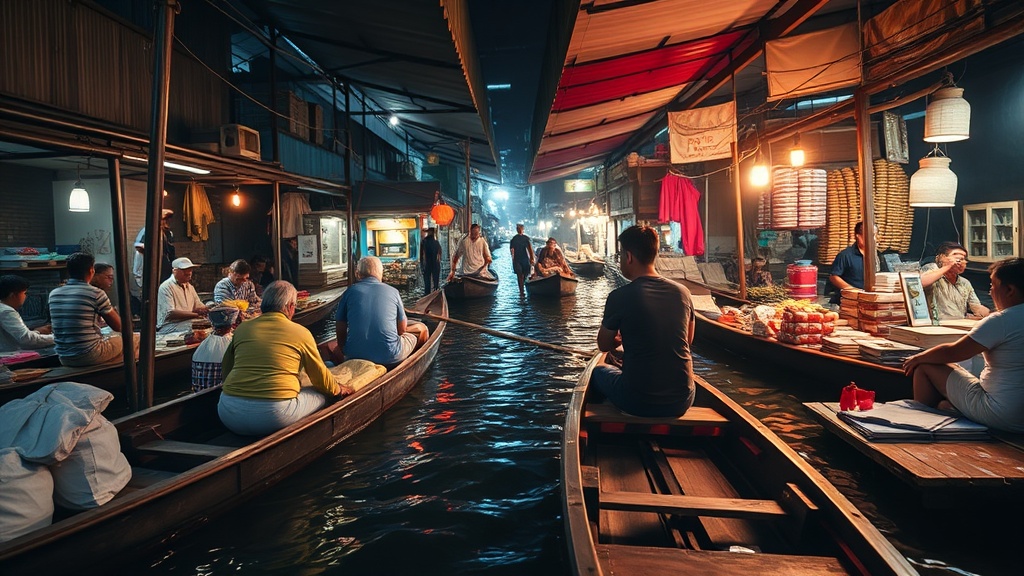
Imagine standing on a wooden pier in Samut Songkhram, the scent of grilled river prawns hitting you just as a long-tail boat pulls up to your feet. You want to eat the best noodles, buy a hand-woven basket, and avoid the crowds, but the logistics of getting there—and actually moving between boats—can be a mess if you aren't prepared. This guide breaks down the logistics of visiting Bangkok’s floating markets, specifically focusing on how to choose the right market, what to eat, and how to handle the crowds without losing your cool.
Which Floating Market is Right for You?
The best market for you depends entirely on whether you want a traditional experience or a tourist-friendly one. Most travelers end up at either Damnoen Saduak or Taling Chan, but they are completely different worlds.
Damnoen Saduak is the big one. It’s famous, it’s loud, and it’s highly commercialized. If you want the iconic photo of colorful boats filled with fruit, this is where you go. It’s a bit of a spectacle, but it’s undeniably vibrant. It’s located about an hour and a half from central Bangkok, so you'll likely be taking a private car or a tour van.
Taling Chan is much closer to the city center and feels more like a local weekend market. It’s less about the "show" and more about the food. You’ll see locals sitting on wooden platforms along the water, eating grilled seafood and sipping cold drinks. It's much more relaxed. If you're short on time, this is your best bet.
For those looking for something even more authentic, look into Khlong Lat Mayom. It’s a favorite for locals who want to escape the heavy tourist circuits. It’s a bit more rugged, but the food quality is often higher because the demand isn't driven solely by international visitors.
Here is a quick breakdown to help you decide:
| Market Name | Vibe | Distance from Bangkok | Best For |
|---|---|---|---|
| Damnoen Saduak | High-energy, Touristy | ~90 mins | Photos and the "Classic" experience |
| Taling Chan | Relaxed, Local | ~30 mins | Quick trips and Seafood |
| Khlong Lat Mayom | Authentic, Food-focused | ~45 mins | Serious foodies and locals |
How Much Does a Boat Tour Cost?
You should expect to pay between 50 and 150 THB per person for a short boat ride, depending on how much you haggle and which market you visit. Prices fluctuate based on whether you are renting a private boat or joining a group.
At Damnoen Saduak, the boatmen are professional negotiators. If you arrive at the pier and a boatman offers you a ride for 500 THB, don't just say yes. Offer 200 or 300. It’s a dance. Most of these prices are not fixed, so a little bit of polite bargaining goes a long way. If you’re traveling with a group, it’s almost always cheaper to rent the whole boat rather than paying per person.
Don't forget to account for the cost of the food. A bowl of boat noodles or a plate of Pad Thai might cost 60 to 100 THB, but a snack from a passing boat might be slightly more expensive due to the convenience. Keep small denominations of Thai Baht on hand. Most boat vendors won't have change for a 1,000 Baht note (and even if they do, it's a hassle for them).
A quick tip: check the Tourism Authority of Thailand website for any seasonal notices or local travel advisories before you head out. Sometimes certain areas can be hit by flooding during the monsoon season, which can change how the markets operate.
What Should You Eat at the Floating Market?
You must try the boat noodles and the grilled seafood, as these are the staples of the floating market culture. The food is often cooked right in front of you on a small stove on a boat, which adds to the flavor (and the theater).
Look for these specific items:
- Boat Noodles (Kuay Teow Reua): These are small, intense bowls of noodle soup. The broth is usually rich and heavily spiced.
- Grilled River Prawns: You'll see them on charcoal grills everywhere. They're huge, juicy, and usually served with a spicy seafood dipping sauce.
- Mango Sticky Rice: The perfect way to end a meal. It's sweet, creamy, and incredibly refreshing in the Bangkok heat.
- Khanom Krok: These are small, coconut milk-based pancakes. They are crispy on the outside and soft on the inside.
I've found that the best food is often found in the boats that look the most "lived-in." If a vendor has a long line of locals, jump in line. It’s the easiest way to ensure you aren't eating something mediocre. If you're hungry for something more substantial, look for the vendors selling grilled pork skewers (Moo Ping). They're cheap, easy to eat while standing, and delicious.
The heat can be intense while you're eating, so keep an eye out for vendors selling fresh coconut water. It’s the best way to stay hydrated without the sugar crash you get from soda. It's also a great way to support local vendors.
When is the Best Time to Visit?
The best time to visit a floating market is between 7:00 AM and 10:00 AM to avoid the peak heat and the largest crowds. Most markets are most active in the early morning when the produce is freshest and the weather is actually tolerable.
If you go to Damnoen Saduak, don't wait until noon. By 11:00 AM, the sun is brutal, and the narrow canals become even more claustrophobic with the heat. If you’re aiming for a more relaxed, late-morning vibe, Taling Chan is better suited for a weekend brunch. Most of these markets are primarily weekend affairs, so plan your trip around a Saturday or Sunday. If you try to go on a Tuesday, you'll find a lot of empty canals and closed stalls.
One thing to keep in mind: the light is much better for photos in the early morning. If you're a photographer, the way the light hits the steam from the noodle bowls and the colorful fruit displays is much more dramatic before the midday glare sets in.
While you're in the area, you might find yourself craving more complex street food experiences. If you've already explored the water-based markets, you might enjoy looking into street food rituals in other parts of Asia to see how the culture shifts. The precision of food culture in Southeast Asia is something truly special.
Lastly, always carry a small amount of cash and a portable fan. It sounds simple, but a small handheld electric fan is a lifesaver when you're stuck in a boat in 35-degree heat. It's not a luxury; it's a survival tool.
Steps
- 1
Choose your market type
- 2
Arrange river transportation early
- 3
Carry small denominations of Baht
- 4
Arrive before the midday heat